Contents:
- What You’ll Need
- Numbered Steps
- Choose a Simple Reward Structure
- Pick the Right Tracking Tool
- Set Rewards That Actually Motivate Return Visits
- Promote It at the Point of Sale
- Track Results and Adjust
- What the Pros Know
- A Comparison: Punch Cards vs. Digital Points Systems
- FAQ
- How much does a loyalty program typically cost to run?
- Do loyalty programs actually increase revenue?
- Can a loyalty program work for a service-based business, not just retail?
- Should rewards expire after a certain period?
- Can I run a loyalty program without any software at all?
- Next Steps
A common myth claims loyalty programs only work for big-box retailers with dedicated app development budgets. Small businesses can launch an effective one for under $100, and often see faster results than large chains do.
What You’ll Need
A simple tracking system, either a punch card app or your point-of-sale system’s built-in loyalty feature, and a clear reward structure customers can understand instantly.
Numbered Steps
1. Choose a Simple Reward Structure
Points-per-dollar or a straightforward “buy 9, get the 10th free” punch system both work well; overly complex tiered systems confuse customers and reduce participation.
2. Pick the Right Tracking Tool
Square Loyalty and similar point-of-sale integrations cost $0-$45 monthly and automatically track purchases without requiring customers to download a separate app.
3. Set Rewards That Actually Motivate Return Visits
A reward that’s too small feels pointless; one that’s too generous cuts into margin unsustainably. A 5-10% effective discount rate on repeat purchases is a common sweet spot.
4. Promote It at the Point of Sale
Train staff to mention the program at checkout consistently; passive signage alone rarely drives meaningful signup rates compared to a direct verbal mention.
5. Track Results and Adjust
Monitor repeat visit frequency for enrolled versus non-enrolled customers monthly, adjusting reward thresholds if participation stays low after the first quarter.
What the Pros Know
“The biggest mistake small businesses make is launching a loyalty program, then never mentioning it again,” says retail consultant Priscilla Ndiaye. “Staff need to reintroduce it to new customers constantly, not just once at launch.”
A Comparison: Punch Cards vs. Digital Points Systems
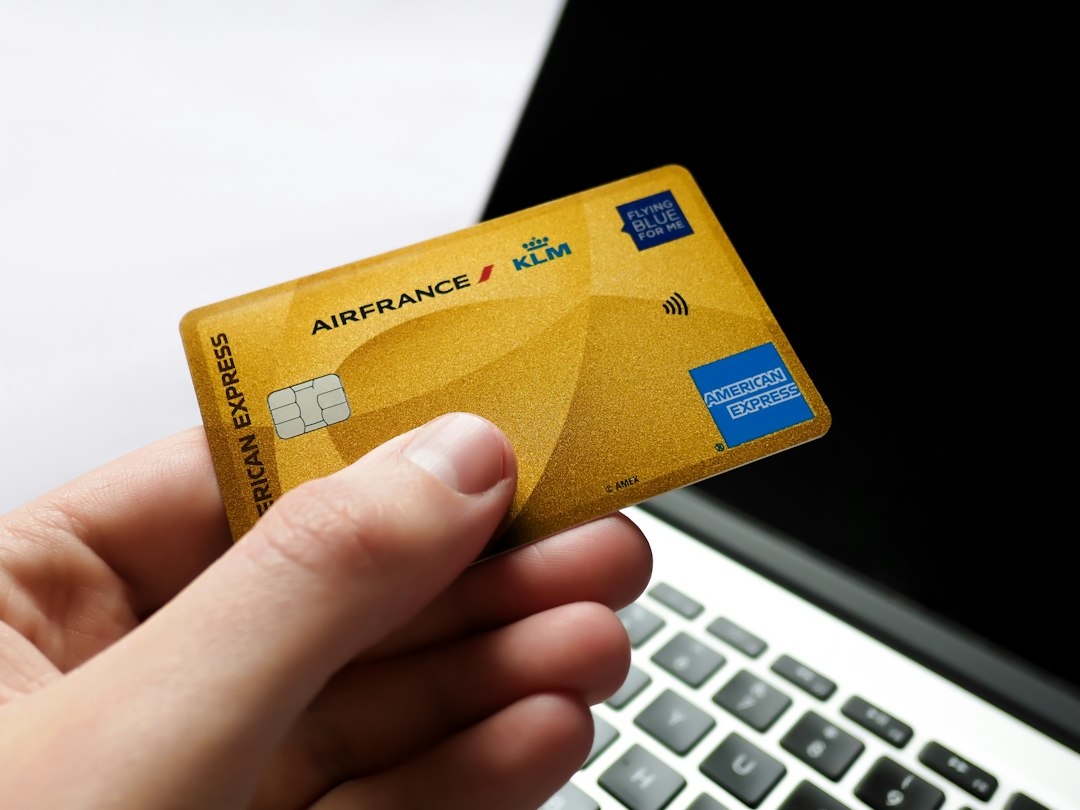
Paper punch cards cost almost nothing and require no technology, but get lost or forgotten easily. Digital points systems tied to a phone number or app retain data reliably and let you send targeted promotions, though they require a small monthly software cost.
FAQ
How much does a loyalty program typically cost to run?
Basic digital systems run $0-$50 monthly; the real cost is the discount value given away, typically 3-8% of repeat purchase revenue.
Do loyalty programs actually increase revenue?
Yes, studies consistently show loyalty members spend 10-20% more per visit than non-members over time.
Can a loyalty program work for a service-based business, not just retail?
Yes, service businesses like salons and auto shops use visit-based rewards effectively, offering a discounted or free service after a set number of paid visits.
Should rewards expire after a certain period?
A reasonable expiration, often 12 months, encourages continued engagement without feeling punitive, though very short expiration windows tend to frustrate customers unnecessarily.
Can I run a loyalty program without any software at all?
A simple paper punch card works fine for a very small business, though you’ll lose the ability to track customer data or send targeted follow-up promotions.
Next Steps
Launch with a simple structure, train staff to promote it at every transaction, and revisit your reward thresholds quarterly based on actual participation data rather than guessing at what customers might respond to.