Contents:
- What You’ll Need
- Numbered Steps
- Choose Your Machine Based on Realistic Volume
- Learn Digitizing or Outsource It
- Pick a Profitable Niche
- Price for Materials, Time, and Machine Wear
- Build a Simple Online Storefront
- Common Mistakes to Avoid
- A Seasonal Timeline
- A Personal Example
- FAQ
- Do I need a special license to run an embroidery business from home?
- How much can a beginner realistically earn?
- Can I embroider on any type of fabric?
- Is embroidery equipment hard to maintain?
- Next Steps
There’s a particular satisfaction in watching a bare hoop of fabric slowly fill in with thread, a logo emerging stitch by stitch until it’s something a customer will proudly wear. That feeling is exactly why so many hobbyists eventually turn embroidery into a real business.
What You’ll Need
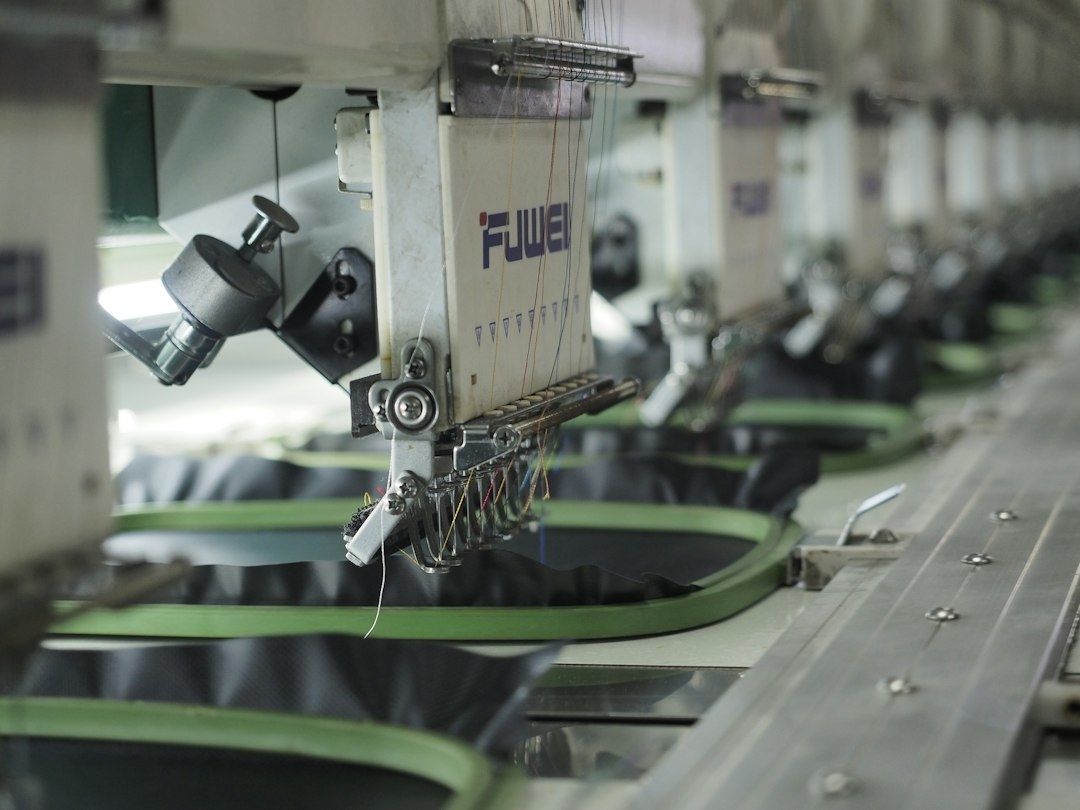
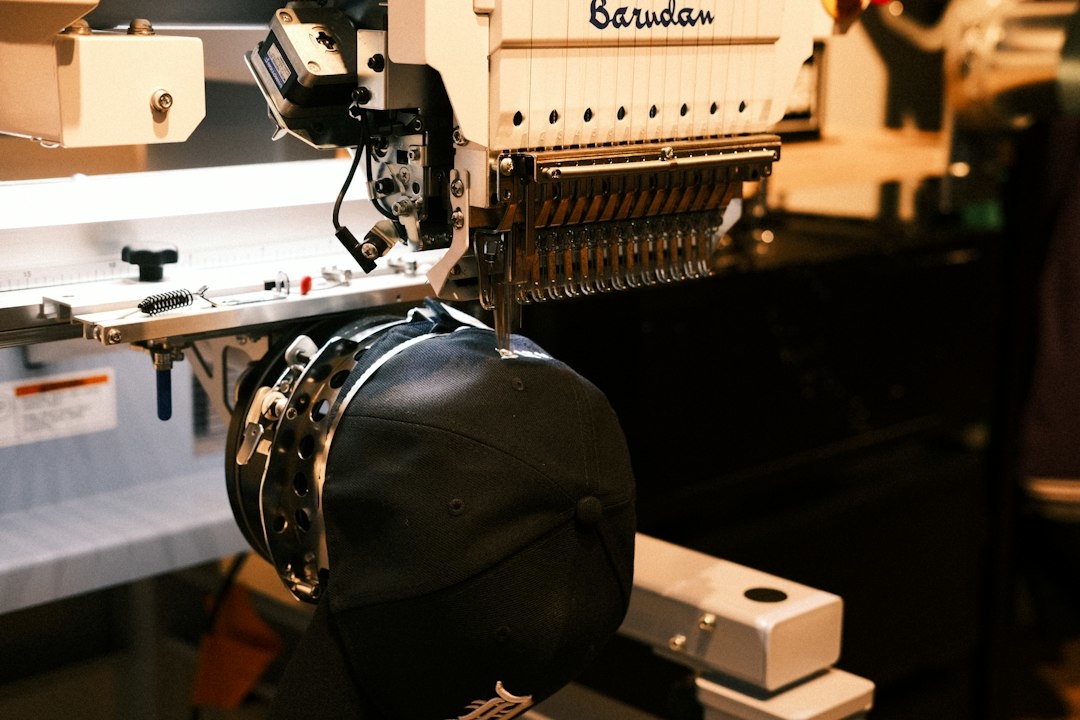
A single-needle embroidery machine costs $500-$2,000 for a home-based start, while a multi-needle commercial machine runs $5,000-$15,000 and lets you handle higher order volumes. You’ll also need digitizing software, roughly $200-$500, to convert designs into stitch files.
Numbered Steps
1. Choose Your Machine Based on Realistic Volume
A single-needle machine suits fewer than 20 items weekly. Anything beyond that, a multi-needle machine pays for itself quickly in time saved.
2. Learn Digitizing or Outsource It
Digitizing converts artwork into a stitch file the machine reads. Many new owners outsource this for $10-$30 per design until they build the skill themselves.
3. Pick a Profitable Niche
Corporate uniforms, sports team apparel, and pet-themed custom items consistently generate repeat orders, unlike one-off gift purchases that rarely bring a customer back.
4. Price for Materials, Time, and Machine Wear
A basic embroidered logo on a customer-supplied shirt typically runs $8-$15 per item, factoring in thread, stabilizer, and machine time, not just labor.
5. Build a Simple Online Storefront
Etsy or a basic Shopify store lets you showcase designs and take orders without a physical storefront’s overhead.
Common Mistakes to Avoid
New owners often underprice custom work, forgetting to include the cost of machine maintenance and thread waste from misfires. Others buy an oversized commercial machine before they have the order volume to justify it, tying up capital that should have funded marketing instead.
A Seasonal Timeline
Corporate uniform orders spike every August and September as companies prep for fall events. Holiday-themed personalized gifts surge from late October through mid-December, often representing 30-40% of annual revenue for hobbyist-turned-professional embroiderers.
A Personal Example
One home-based embroiderer in Ohio started with a single $800 machine doing baby onesies for friends, then pivoted to corporate polo orders after a local gym asked for staff uniforms, growing to $3,000 in monthly revenue within a year without any paid advertising.
FAQ
Do I need a special license to run an embroidery business from home?
Most areas require only a standard home occupation permit and business license, though check local zoning rules first.
How much can a beginner realistically earn?
Part-time embroiderers often net $500-$2,000 monthly once they’ve built a small repeat client base.
Can I embroider on any type of fabric?
Most fabrics work with the right stabilizer backing, though very stretchy or sheer materials require extra care to avoid puckering.
Is embroidery equipment hard to maintain?
Routine cleaning, oiling, and needle replacement every few thousand stitches keep most home machines running for years without major repair costs.
Next Steps
Start with one machine, one clear niche, and real orders from people you know before investing in bigger equipment. Let actual demand, not assumptions, tell you when to scale up, and reinvest early profits into a second machine only once you’re consistently turning down orders you can’t fit into your current schedule.