Contents:
- Preparation
- Step-by-Step
- Step 1: Source Materials Wholesale
- Step 2: Develop a Signature Style
- Step 3: Price for Materials, Time, and Brand Value
- Step 4: Use Sustainable Packaging
- Step 5: Sell Through Etsy and Local Markets Together
- Common Mistakes to Avoid
- A Cost Breakdown
- FAQ
- How much can a beginner realistically earn?
- Should I offer custom orders?
- Do wholesale suppliers require a minimum order?
- Should I use sustainable materials from the start?
- How do I photograph bracelets well for online listings?
- Conclusion
A striking share of independent jewelry sellers who reach consistent five-figure annual revenue started with exactly one material niche, whether that’s beaded, leather, or wire-wrapped, rather than trying to sell every bracelet style at once.
Preparation
Choose a specific material and style focus before buying supplies broadly. Beaded, minimalist chain, and leather cuff bracelets each attract distinctly different customers with different price expectations.
Step-by-Step
Step 1: Source Materials Wholesale
Bulk bead and clasp suppliers offer significant savings over retail craft stores, often 40-60% lower per unit once ordering in wholesale quantities.
Step 2: Develop a Signature Style
A recognizable design element, a specific stone combination or clasp style, helps customers identify your brand even without seeing your logo directly.
Step 3: Price for Materials, Time, and Brand Value
Calculate material cost plus your time at a fair hourly rate, then add a margin reflecting brand positioning; handmade bracelets typically retail $15-$60 depending on materials and complexity.
Step 4: Use Sustainable Packaging
Recycled kraft boxes and paper-based packaging appeal to increasingly eco-conscious jewelry buyers and cost only slightly more than standard plastic packaging.
Step 5: Sell Through Etsy and Local Markets Together
Etsy captures ongoing search traffic while local craft fairs and markets build direct customer relationships and immediate cash flow.
Common Mistakes to Avoid
New sellers often underprice handmade work, calculating only material cost and ignoring their own time entirely. Others chase every trending style simultaneously instead of building a recognizable signature line that customers return for specifically.
A Cost Breakdown
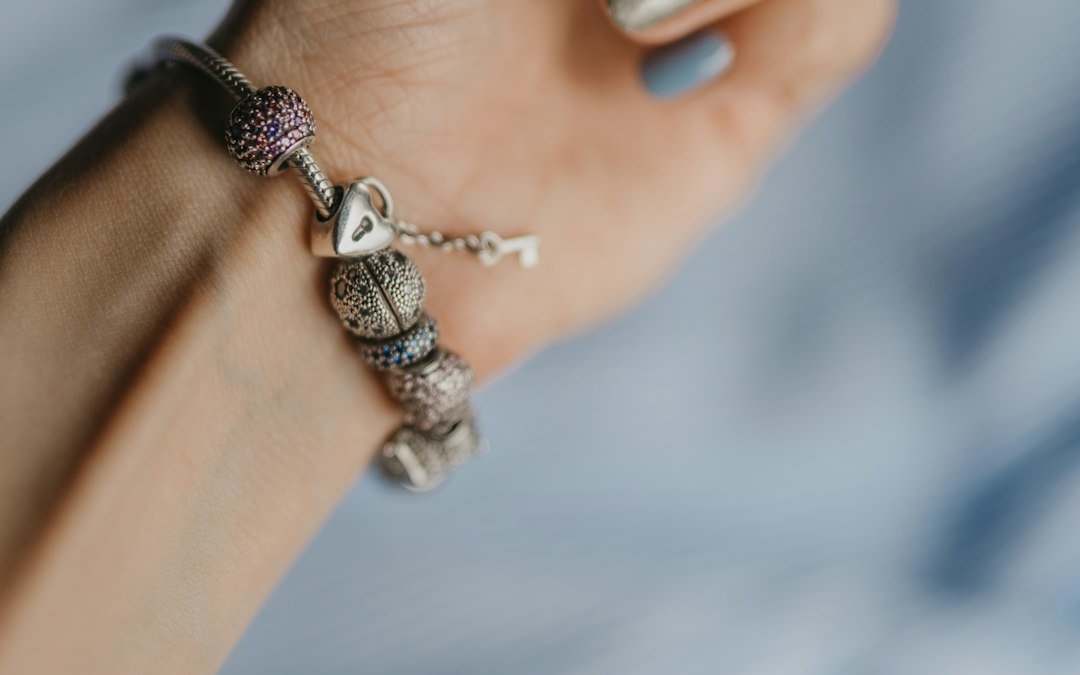
Startup costs for a beaded bracelet line typically run $300-$800: wholesale bead and finding supplies ($150-$400), basic tools ($50-$150), and initial packaging and photography setup ($100-$250).
FAQ
How much can a beginner realistically earn?
Part-time sellers with a consistent Etsy presence often net $300-$1,200 monthly within their first six months.
Should I offer custom orders?
Custom work commands premium pricing but takes more time; many successful sellers offer it as a higher-priced add-on rather than their core product line.
Do wholesale suppliers require a minimum order?
Many do, often $50-$150 for a first order, so start with a supplier offering smaller minimums until you’ve confirmed which materials actually sell.
Should I use sustainable materials from the start?
Recycled metals and natural fiber cords cost only slightly more and increasingly matter to jewelry buyers researching a brand’s values before their first purchase.
How do I photograph bracelets well for online listings?
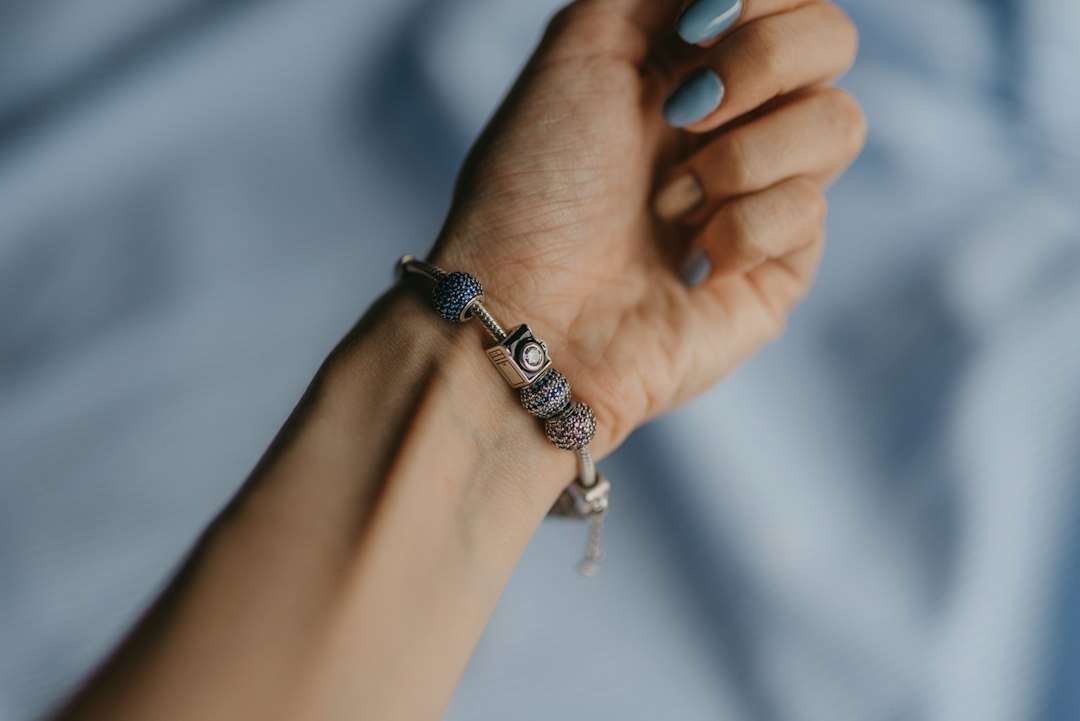
Natural light, a plain neutral background, and a hand or wrist model shot alongside a flat-lay image together give buyers the clearest sense of real scale and fit.
Conclusion
A bracelet business grows fastest around one distinct style customers can recognize instantly, not a scattered catalog trying to appeal to everyone. Price for your actual time, and let a signature aesthetic build repeat buyers over generic variety that blends into every other seller’s shop.