Contents:
- Preparation
- Step-by-Step
- Step 1: Learn What Actually Resells
- Step 2: Source From the Right Places
- Step 3: Price for Your Platform
- Step 4: Photograph Like a Professional
- Step 5: Ship Fast and Track Everything
- What the Pros Know
- Regional Differences
- FAQ
- How much can a beginner realistically earn?
- How do I know when to raise my prices?
- Do I need a business license to resell items?
- What’s the biggest beginner mistake?
- A Bit of History
- Conclusion
Long before Poshmark and Depop existed, garage sale flippers were buying low and reselling high in newspaper classifieds. The core skill hasn’t changed in decades; only the platforms have.
Preparation
Start with $200-$500 in buying capital, a smartphone with a decent camera, and accounts on two resale platforms so you’re not dependent on a single marketplace’s algorithm.
Step-by-Step
Step 1: Learn What Actually Resells
Focus on recognizable brands with resale demand: Levi’s, North Face, Nike, and vintage designer pieces consistently outsell generic fast-fashion finds. Check completed sales on eBay before buying anything to confirm real demand, not just guesswork.
Step 2: Source From the Right Places
Goodwill outlet stores selling by the pound, estate sales on their final day, and clearance racks at regular thrift stores offer the best margins. Avoid boutique thrift stores that already price items at near-resale value.
Step 3: Price for Your Platform
Poshmark buyers expect to negotiate, so list 15-20% above your target price. eBay auctions work well for rare or collectible items where competitive bidding can exceed a fixed price.
Step 4: Photograph Like a Professional
Use natural light, a plain background, and at least five angles including any flaws. Listings with 5+ photos sell 40% faster than those with just one or two, based on platform seller data.
Step 5: Ship Fast and Track Everything
Ship within 24-48 hours of sale and track every item’s purchase cost against its sale price in a simple spreadsheet to know your real margin, not just gut-feel profit.
What the Pros Know
Experienced resellers track “sell-through rate,” not just profit per item. A $5 item that sells in two days beats a $40 item that sits unsold for six months, because capital tied up in slow inventory can’t be reinvested elsewhere.
Regional Differences
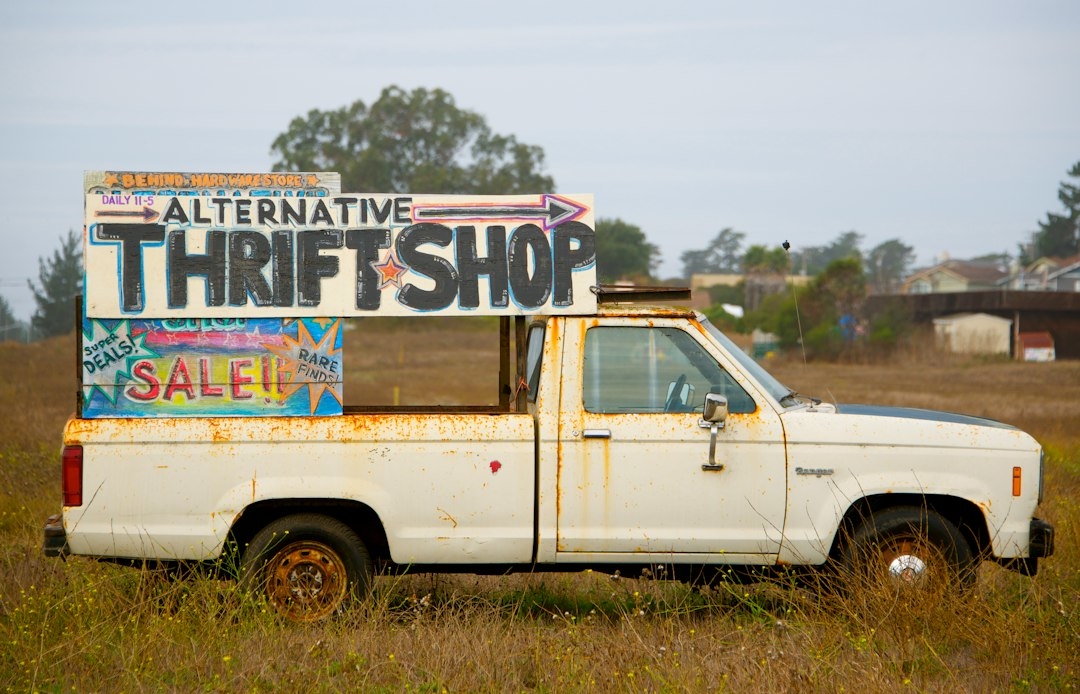
West Coast resellers often find higher margins in vintage denim and outdoor brands due to regional demand. Northeast markets favor designer handbags and winter outerwear. Southern markets see strong demand for Western wear and boots.
FAQ
How much can a beginner realistically earn?
Part-time resellers often net $500-$1,500 monthly after their first few months of learning what sells in their local sourcing area.
How do I know when to raise my prices?
If an item sells within the first day at your listed price, you likely priced it too low relative to actual demand for that specific brand or category.
Do I need a business license to resell items?
Requirements vary by state and revenue level, but most casual resellers should still track income for tax purposes once sales become consistent.
What’s the biggest beginner mistake?
Buying based on personal taste rather than actual resale data, which quietly drains capital into inventory that never sells.
A Bit of History
Long-time flippers point out that the fundamentals haven’t shifted much since the pre-internet garage sale era: buy underpriced, well-known items, present them cleanly, and sell to a buyer actively searching for exactly that item. The apps changed the size of your potential buyer pool, not the underlying logic of what makes something resell well.
Conclusion
Thrift flipping rewards patience and data over gut instinct. Start small, track every purchase against its eventual sale price, and let the numbers, not your personal style preferences, decide what you buy next.