Contents:
- What You’ll Need
- Numbered Steps
- Choose Indoor or Outdoor Based on Climate
- Secure the Right Space
- Invest in Quality Pitching Machines
- Price by Time Block or Membership
- Add Lessons and Team Rentals
- Common Mistakes to Avoid
- A Sustainability Angle
- What the Pros Know
- FAQ
- How much does insurance typically cost?
- Can a batting cage business be profitable in a small town?
- Should I offer birthday party packages?
- How much does a full renovation of an existing space cost?
- Next Steps
Should your first batting cage facility be indoor or outdoor? That single decision shapes your entire startup budget, so it deserves real thought before signing any lease.
What You’ll Need
A suitable space (indoor warehouse or outdoor lot), pitching machines, netting, and turf flooring, with total startup costs typically ranging $40,000-$150,000 depending on size and location.
Numbered Steps
1. Choose Indoor or Outdoor Based on Climate
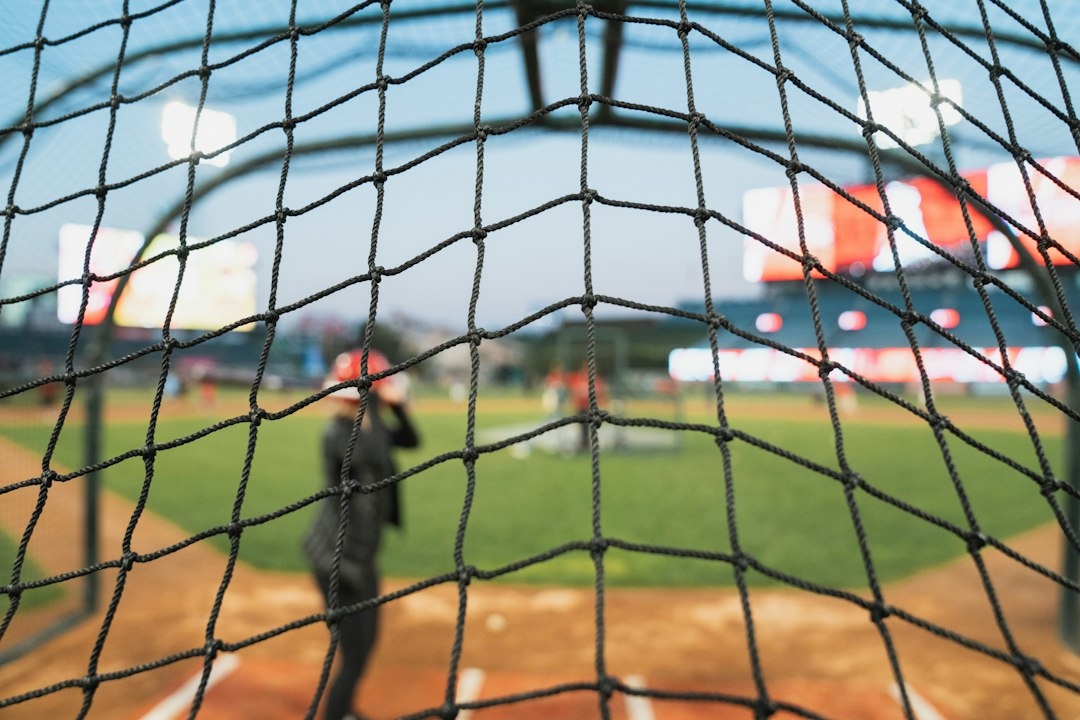
Indoor facilities cost more upfront but generate year-round revenue regardless of weather, while outdoor cages have lower buildout costs but face seasonal closures in colder regions.
2. Secure the Right Space
A minimum of 70 feet of cage length per lane is standard; commercial warehouse space for an indoor facility typically leases at $8-$15 per square foot annually depending on region.
3. Invest in Quality Pitching Machines
Commercial-grade pitching machines cost $2,000-$6,000 each, with most facilities running four to eight lanes to serve reasonable customer volume.
4. Price by Time Block or Membership
Hourly lane rental typically runs $25-$45, while monthly membership packages, offering discounted per-visit rates, build predictable recurring revenue.
5. Add Lessons and Team Rentals
Private hitting lessons from staff instructors, priced $40-$80 per session, and full-facility rentals for team practices significantly boost revenue beyond walk-in lane rentals alone.
Common Mistakes to Avoid
New owners often underestimate insurance costs given the inherent injury risk of fast-pitched baseballs. Others skip proper netting inspection schedules, risking both safety issues and equipment damage liability.
A Sustainability Angle
LED lighting retrofits and turf made from recycled materials both reduce a facility’s long-term operating costs while appealing to increasingly environmentally conscious youth sports parents choosing where to spend their money.
What the Pros Know
“Membership packages solve the cash flow problem seasonal facilities struggle with,” notes facility consultant Rick Alvarado. “Even outdoor cages can smooth revenue with an off-season indoor partnership or storage rental.”
FAQ
How much does insurance typically cost?
General liability for a batting cage facility runs $2,000-$5,000 annually given the sport’s injury risk profile.
Can a batting cage business be profitable in a small town?
Yes, particularly with strong local youth league partnerships that guarantee consistent group bookings beyond individual walk-ins.
Should I offer birthday party packages?
Yes, birthday and team celebration packages, bundling cage time with a party room, generate significantly higher per-booking revenue than standard hourly lane rentals alone.
How much does a full renovation of an existing space cost?
Converting an existing warehouse into a batting cage facility typically runs $60,000-$120,000 including netting, turf, lighting, and machine installation.
Next Steps
Start with a realistic size matched to your local youth sports population, and build league and team partnerships before opening to guarantee revenue from day one rather than relying solely on walk-in traffic during your first uncertain months.