
Contents:
- What You’ll Need
- Numbered Steps
- Choose Your Fleet Model
- Buy the Right Vehicles
- Get Commercial Insurance and Permits
- Screen and Onboard Drivers Carefully
- Build a Maintenance and Rotation Schedule
- Common Mistakes to Avoid
- A Comparison: Fleet Ownership vs. Traditional Taxi Medallion
- What the Pros Know
- FAQ
- How many vehicles should I start with?
- Do I need a special business license?
- Can I finance vehicles instead of buying outright?
- What happens if a driver damages a vehicle?
- Next Steps
Most people assume rideshare fleet ownership just means signing up a bunch of drivers on an app. The real business model is renting or leasing vehicles to drivers who use platforms like Uber and Lyft themselves, a structure most outsiders never realize exists.
What You’ll Need
Starting capital of $30,000-$60,000 for your first three to five vehicles, commercial insurance, and a system for managing driver agreements and vehicle maintenance schedules.
Numbered Steps
1. Choose Your Fleet Model
Rent-to-drive arrangements let approved drivers use your vehicles for a weekly fee, typically $200-$350 per vehicle, while you retain ownership and handle maintenance.
2. Buy the Right Vehicles
Fuel-efficient sedans with low maintenance costs, like the Toyota Camry or Honda Accord, minimize your ongoing expenses relative to rental income.
3. Get Commercial Insurance and Permits
Commercial auto insurance for a rideshare fleet runs $2,500-$4,500 annually per vehicle, considerably higher than personal auto coverage due to commercial use classification.
4. Screen and Onboard Drivers Carefully
Verify each driver’s platform eligibility, driving record, and rideshare app account status before handing over a vehicle, since a poorly vetted driver creates liability exposure.
5. Build a Maintenance and Rotation Schedule
High-mileage rideshare vehicles need oil changes every 3,000-5,000 miles and tire rotations more frequently than personal vehicles, given the constant driving.
Common Mistakes to Avoid
New fleet owners often underprice weekly rental fees, forgetting to account for depreciation on vehicles accumulating 40,000+ miles annually. Others skip thorough driver background checks, exposing the business to liability from a driver’s poor record.
A Comparison: Fleet Ownership vs. Traditional Taxi Medallion
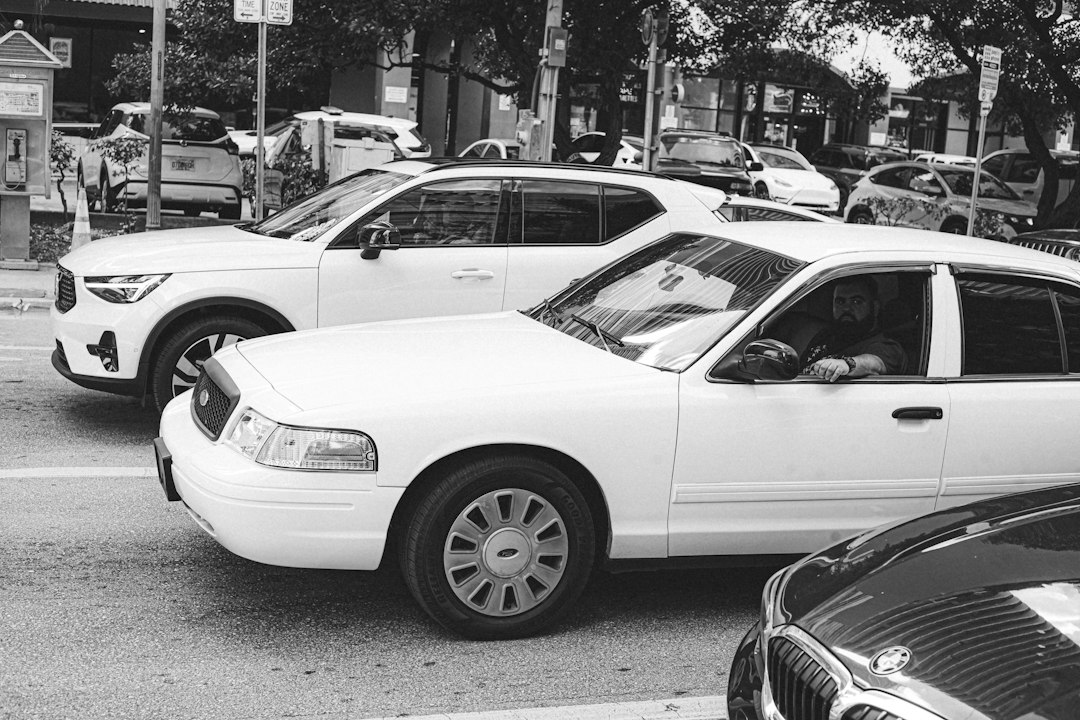
Traditional taxi medallions, still required in cities like New York, can cost hundreds of thousands of dollars and carry strict regulatory oversight. Rideshare fleet ownership requires no medallion in most markets, dramatically lowering the barrier to entry while still generating steady rental income.
What the Pros Know
“Track cost per mile religiously, not just weekly rental income,” says fleet consultant Bianca Reyes. “A vehicle renting for $300 weekly but costing $180 in fuel, maintenance, and depreciation isn’t nearly as profitable as it looks on paper.”
FAQ
How many vehicles should I start with?
Three to five vehicles lets you learn maintenance and driver management systems before scaling further.
Do I need a special business license?
Most states require a standard business license plus commercial vehicle registration; a handful of cities add rideshare fleet-specific permits.
Can I finance vehicles instead of buying outright?
Yes, many fleet owners use commercial auto loans to acquire vehicles gradually, though lenders typically require a down payment of 10-20% per vehicle.
What happens if a driver damages a vehicle?
A clear rental agreement specifying damage responsibility and a security deposit protects your investment; most owners require proof of a clean driving record before approval.
Next Steps
Start with a small fleet, track true cost per vehicle including depreciation, and reinvest profits into additional vehicles only once your driver retention and maintenance systems run smoothly enough to support growth without constant firefighting.