
Contents:
- Preparation
- Step-by-Step
- Step 1: Get Trained on Spring Systems Specifically
- Step 2: Build Relationships With Door and Opener Suppliers
- Step 3: Get Properly Insured
- Step 4: Price Common Repairs Accurately
- Step 5: Build an Emergency Repair Reputation
- What the Pros Know
- A Seasonal Timeline
- Pro Tips
- FAQ
- How much can a solo technician earn?
- How do I handle warranty claims on installed doors?
- Is licensing required?
- What’s the fastest way to build a client base?
- Conclusion
Why do so many homeowners struggle to find a reliable garage door technician quickly? Because the trade has a shortage of trained installers relative to the steady volume of broken springs, damaged panels, and opener malfunctions across the country.
Preparation
You’ll need basic tools (roughly $1,500-$3,000), a reliable service vehicle, and either hands-on experience or a manufacturer training course before taking on your first paying jobs.
Step-by-Step
Step 1: Get Trained on Spring Systems Specifically
Torsion springs under tension cause serious injuries when handled incorrectly. Manufacturer certification courses, often $500-$1,500, teach proper technique before you touch a client’s door.
Step 2: Build Relationships With Door and Opener Suppliers
Wholesale accounts with manufacturers like Clopay or LiftMaster give you better margins than retail pricing, typically 20-35% below consumer cost.
Step 3: Get Properly Insured
General liability and workers’ comp, if you hire help, together run $1,500-$3,500 annually given the physical risk involved in garage door work.
Step 4: Price Common Repairs Accurately
Spring replacement typically runs $200-$350, opener installation $250-$500, and full door replacement $900-$2,500 depending on materials and size.
Step 5: Build an Emergency Repair Reputation
Same-day emergency service commands a premium, often $50-$100 above standard scheduling, and builds the kind of reputation that generates repeat referrals.
What the Pros Know
“Never quote a spring job over the phone without asking the door’s size and spring type,” advises longtime technician Walt Deveraux. “Guessing wrong on torsion spring specs leads to a second trip and an unhappy customer.”
A Seasonal Timeline
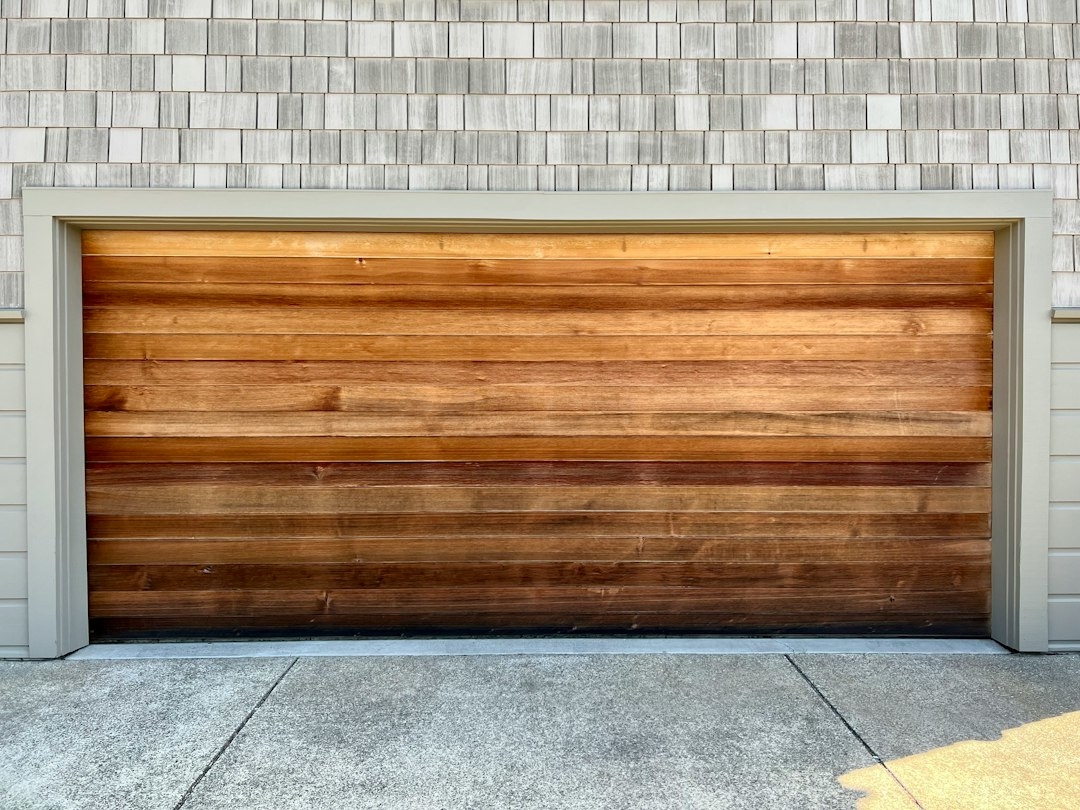
Cold weather causes metal contraction and increased spring failures every winter, spiking demand from November through February in colder climates, while summer sees more opener and sensor issues from heat exposure.
Pro Tips
Stock the two or three most common spring sizes for your service area rather than ordering per job, cutting response time significantly on emergency calls.
FAQ
How much can a solo technician earn?
Established solo operators handling 4-6 jobs daily often net $80,000-$150,000 annually after expenses.
How do I handle warranty claims on installed doors?
Register every installation with the manufacturer immediately and keep detailed records, since warranty disputes are far easier to resolve with documented proof of proper installation on file.
Is licensing required?
Requirements vary; some states require a contractor’s license for garage door installation, while repair-only work has lighter requirements in many areas.
What’s the fastest way to build a client base?
Partnering with local real estate agents and property managers generates steady referral volume, since garage door issues frequently surface during home inspections and tenant turnovers.
Conclusion
Garage door work rewards technicians who master spring safety early and price emergency service appropriately. Build supplier relationships for better margins, and let a reputation for reliable same-day service become your strongest marketing asset over time.